It’s just plastic! Oh really?
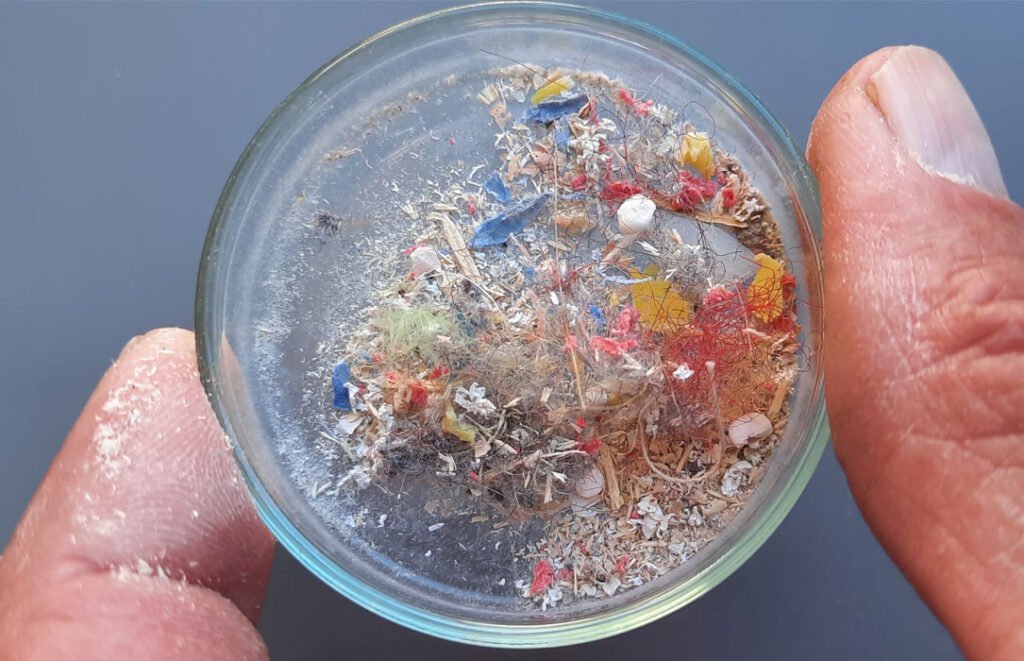
I came across this fascinating article today about microplastics. Specifically, the effects of micro-plastics on the human body – how we ingest them, how we excrete them, and what happens in between. Shout out to Nautilus, a fantastic science news magazine. If you don’t subscribe, I highly recommend that you consider doing so.
Anyway, back to the article. What exactly are microplastics? The accepted definition is any small piece of plastic 5mm or less in length.
Because I like to break down news articles about science, both scholarly and non-scholarly, I went through this one carefully. I like it when mass consumption news articles interview, and especially quote, experts. I’m even more excited when the article includes input from multiple experts.
What I don’t like, which has become common journalism practice, is not identifying the source’s level of expertise. For example, calling someone a “research scientist” doesn’t really tell me much about their level of expertise. It tells me they’re a scientist and they do research. Okay. There is no set standard to be called a scientist and no set standard to say you do research. If you refer to them as “Dr.” or “Professor” then you’re providing me with more information, a formally conveyed title that helps me better accept that what I’m reading has a certain level of credibility. This isn’t to say that there aren’t plenty of experts who lack such credentials. However, I want to know the level of credibility when I read it. Yes, when you include the organization or institution they represent, you provide some level credibility. In an institution of higher education, a scientist can be an undergraduate student. You see where I’m going with this? [NOTE: I’m fully aware of the debate about using an honorific, even a gendered one, in the first or subsequent reference of a person providing expert content to a science article. That’s a debate I’m not going into here.]
Back to the article. At least scientists from three different institutions are quoted, which is good. Relying on a single source of information is not always bad, but utilizing multiple, unrelated sources is better. In any case, this particular article covers aspects of microplaslic ingestion that rarely gets much media coverage. Looking for articles about microplastics? They’re a dime a dozen. Looking for non-scholarly articles about the effects of microplastics on the human body? Those are more sparse.
If this interests you, give it a read!