More (Better?) new sources


Non-Profit image from https://corporatefinanceinstitute.com/. ABC, CBS, CNN, Fox, NBC are all networks that carry mainstream news. Without going into the flaws each of these possess, suffice it to say that they may not be the best news channels for viewers to seek out science and environmental news.
So what channels are? That’s a difficult question to answer because you first have to define what is meant by the word “best.” That’s a superlative adjective that can carry a different meaning to different people.
Destructive discourses
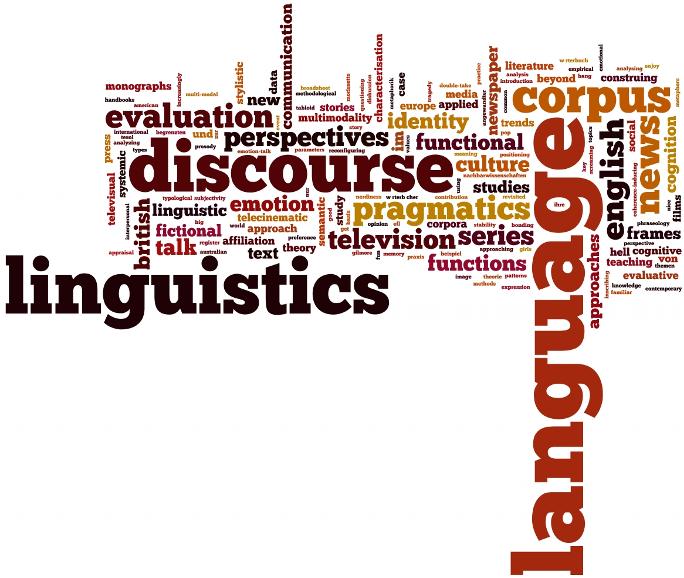
Word cloud image from http://exegeticaltools.com/. How many times have you heard or read phrases such as “ugly bitch,” “sick as a dog,” or “monkeying around”? Like most native English speakers, you’ve probably encountered those phrases often. According to Arran Stibbe, an ecological linguist, these are linguistic mechanisms that express negativity toward animals. I bet you’ve never thought of such phrases in that manner. In other words, the very words we use in communication, even when no ill intent is meant, become part of our lexicon and can have unintended negative effects.
Citizen science and The Conversation

Image from https://www.leru.org/. In my previous post, I mentioned the subject of citizen science. For those of you unfamiliar with this practice, there are multiple primers available, including numerous books. Coincidentally, The Conversation just published an article about how the pandemic has impacted the citizen science practice. In fact, the article is titled “Citizen scientists are filling research gaps created by the pandemic“.
Orcas and humans
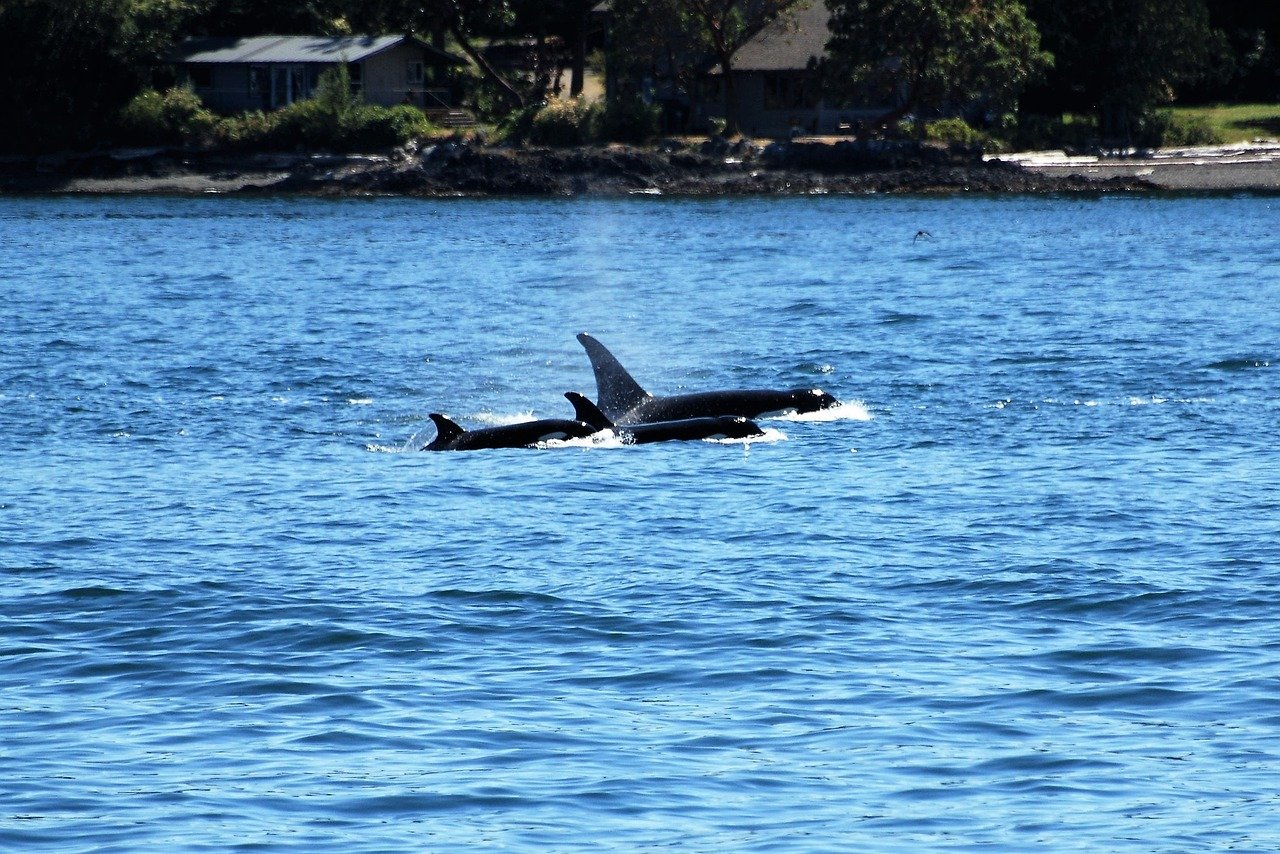
A pair of killer whales. Image by Nature Pix from Pixabay. If you’re as fascinated by cetaceans as I am, then you have to love killer whales (Orcinus orca). They’re under constant threat by the human race…in ways that you may not realize.
Telling it like it is….
I intended for my initial post here on the renewed blog to be something profound. However, I stumbled across an article on the EcoWatch website that resonated with me for two reasons.
First, the EcoWatch piece discusses a journal article published last month in Frontiers in Conservation Science. That article is a perspective article titled “Underestimating the Challenges of Avoiding a Ghastly Future.” Authored by 17 scientists from the United States, Mexico, and Australia, it is quite interesting. It renounces bad politics and inaction with respect to climate change.
Second, the independent newscenter Common Dreams interviewed several of the journal article co-authors. For that interview, co-author Daniel T. Blumstein stated in an e-mail that
“By scientists’ telling it like it is, we hope to empower politicians to work to represent their citizen, not corporate, constituents.”
Furthermore, the next to the last sentence in the published journal article states the following:
It is therefore incumbent on experts in any discipline that deals with the future of the biosphere and human well-being to eschew reticence, avoid sugar-coating the overwhelming challenges ahead and “tell it like it is.”
So why are those two quoted sentences significant to me? The title of my PhD dissertation was “Telling it like it is: A qualitative excavation of the factors that impel natural/physical scientists to serve as mass media news sources”.